

Natural Factors
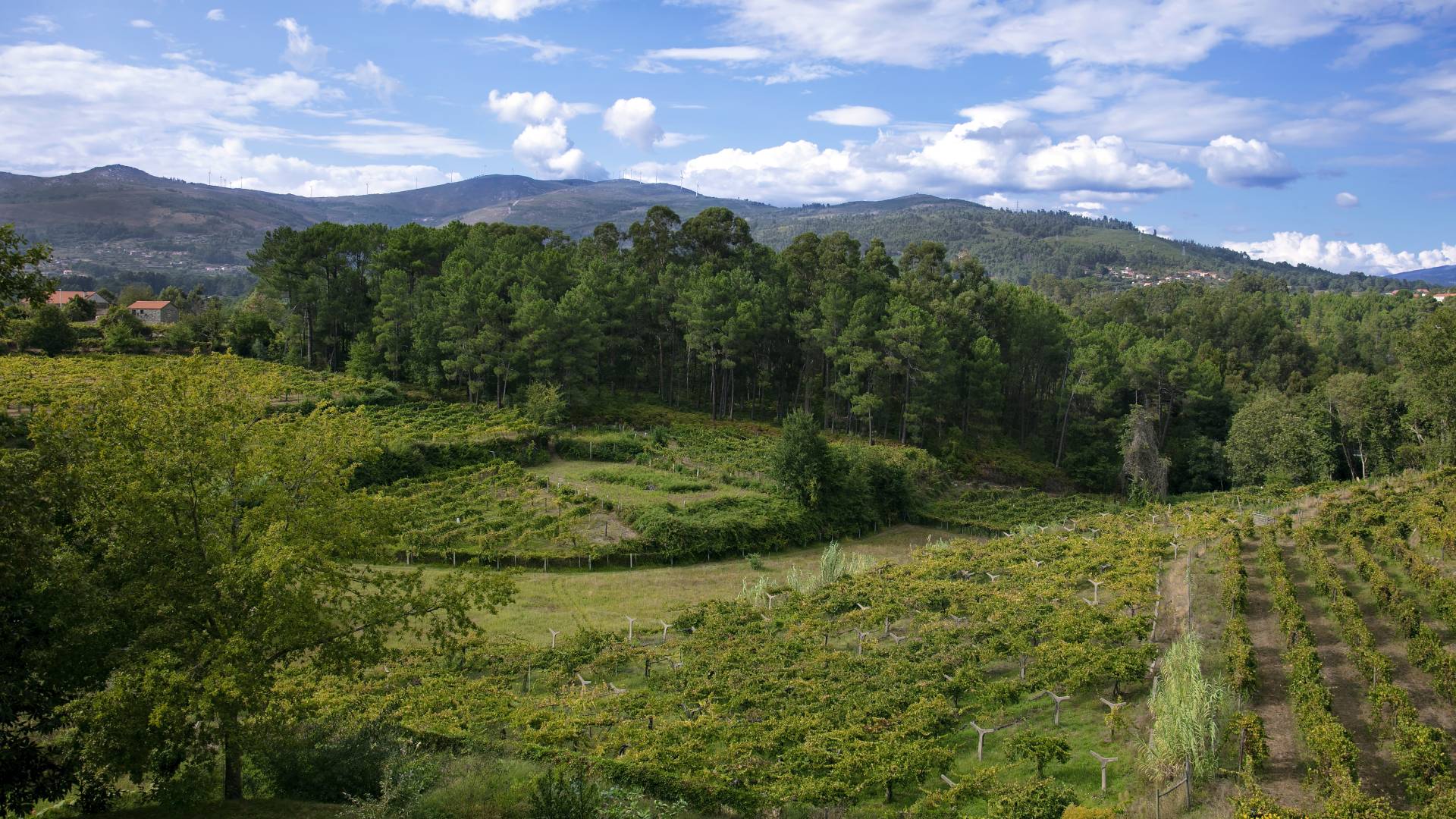
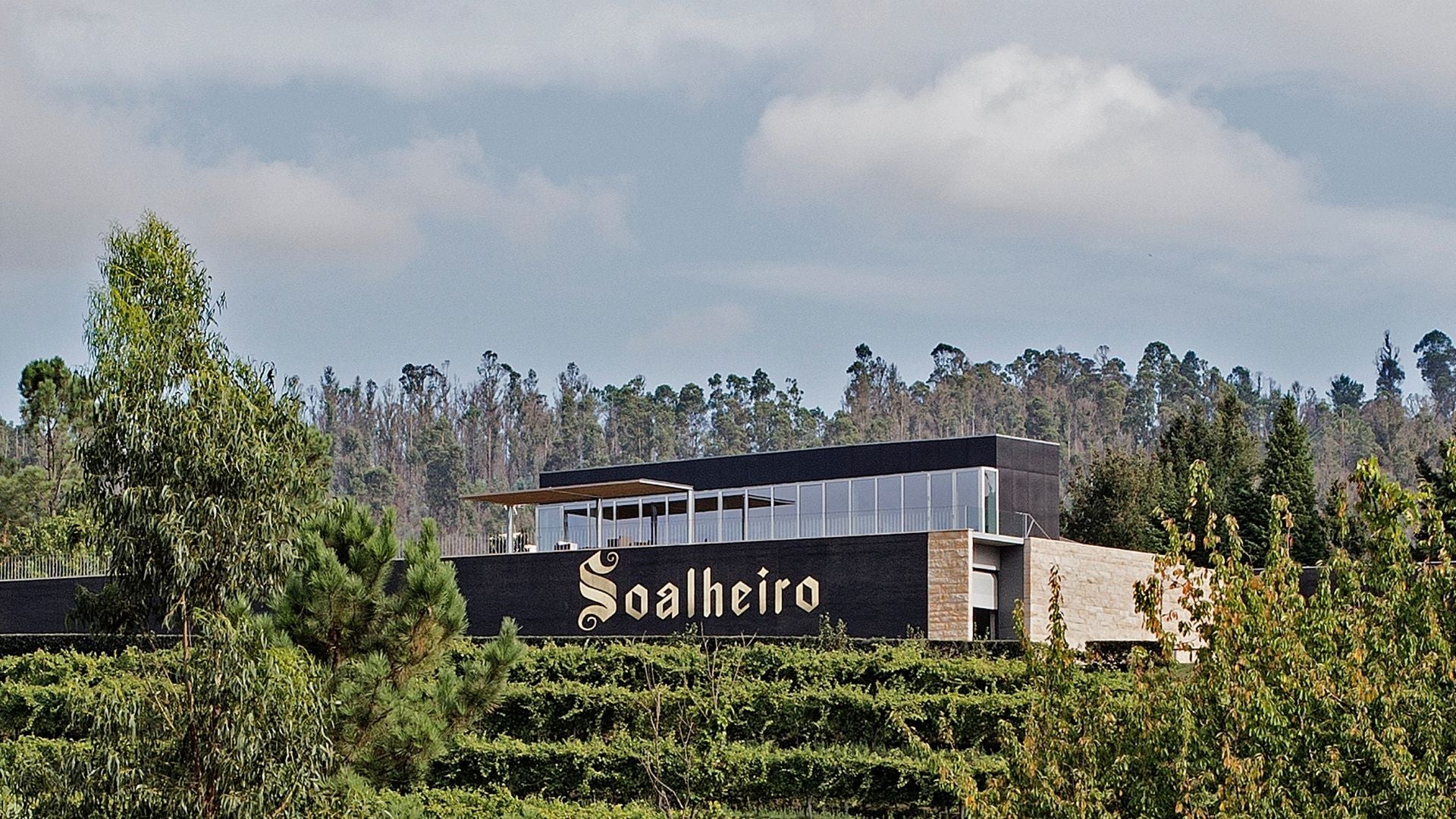
Soalheiro, meaning ‘sunny’ – arises from the excellent sun exposure of the vineyards next to the winery.
Subheading
Learn all about the origins of Alvarinho
The Monção and Melgaço region, located in the northernmost part of Portugal and stretching across the slopes of the south bank of the Minho River, is one of the nine sub-regions of the Vinho Verde DOC and has a very distinct microclimate. This sub-region of Vinho Verde is where the Alvarinho grape variety originated and began to evolve.

Our region, the northernmost in Portugal, is shielded from Atlantic influences by several mountain ranges, providing ideal conditions for the growth of the Alvarinho grape variety. A significant temperature difference between hot days and cold nights during ripening, along with the perfect balance of rain and sunshine, are key factors in preserving the varietal aromas and maintaining the wine’s freshness. The microclimate of Monção and Melgaço, shaped by the region’s mountains, is characterized as a temperate Atlantic microclimate with continental influence, featuring cold, rainy winters and hot, dry summers.

Mountains
Mountains provide protection against the influence of the Atlantic and create a hydrographic basin with a specific microclimate, which can be characterised as a temperate Atlantic climate. This mountain range mainly affects rainfall, humidity, and air temperature – the key factors that determine the distinctive quality of our Alvarinho.
VIEW MAP
Temperature
High average air temperatures during the summer months coincide with the ripening of the grapes, giving us hot days and cool nights that favour moderate alcohol contents with fresh acidity and aromatic intensity.
VIEW MAP
Rainfall
In the basin of the Minho River, which encompasses the Monção and Melgaço sub-region, rainfall occurs mainly during the winter months, replenishing the soil’s water reserves and promoting balanced ripening.
VIEW MAP
Soils of Granitic Origin
Compared to the rest of the Vinho Verde region, this area has moderate rainfall, which, together with its well-drained granitic soils, promotes the quality of the grapes and the mineral character present in practically all Soalheiro wines.
VIEW MAP
The presence of several bodies of water, namely the Minho river and its main tributaries, allows for a significant difference in temperature between day and night. This is especially important during maturation, when the range of temperature is beneficial for producing fresh and aromatic wines. One particularity of the river in our region is that it is very deep and narrow, hidden in the depths of a ravine with steep banks on either side. This topography permits very little fog over the part of the river running through Monção and Melgaço. Therefore, we have less risk of developing fungus. Once the Minho river passes Monção and Melgaço its banks become less steep and the river widens.
In our small parcels of vineyards, planted in granitic soil, Alvarinho adapts to several types of terrain. These plots start in the valley of the Minho river (50 m), climbing up the mountain slopes (400m) and reaching considerable altitude levels. In 2019 we planted two hectares of the highest-ever altitude vineyard of Alvarinho, at 1100 meters above sea level, to challenge its elasticity even more. Near a national park with schist soil, the vineyard is on a south-facing slope on a former glacier (nearly 1 million years ago). It is also an interesting historical place to visit, called Branda da Aveleira.
The terroir of Monção and Melgaço is not defined by only climate and natural factors, it is also made up of the people who live here and work daily on our land. The human factor of our terroir, namely the grapevine growth techniques and winemaking practices, amplify the peculiarities of the region’s natural characteristics.

Lugar da Charneca, 4960-010 Alvaredo, Portugal
Phone: +351 251 416 769 (call to the national landline network)
Email: contact@soalheiro.com
Recruitment: rh@soalheiro.com
